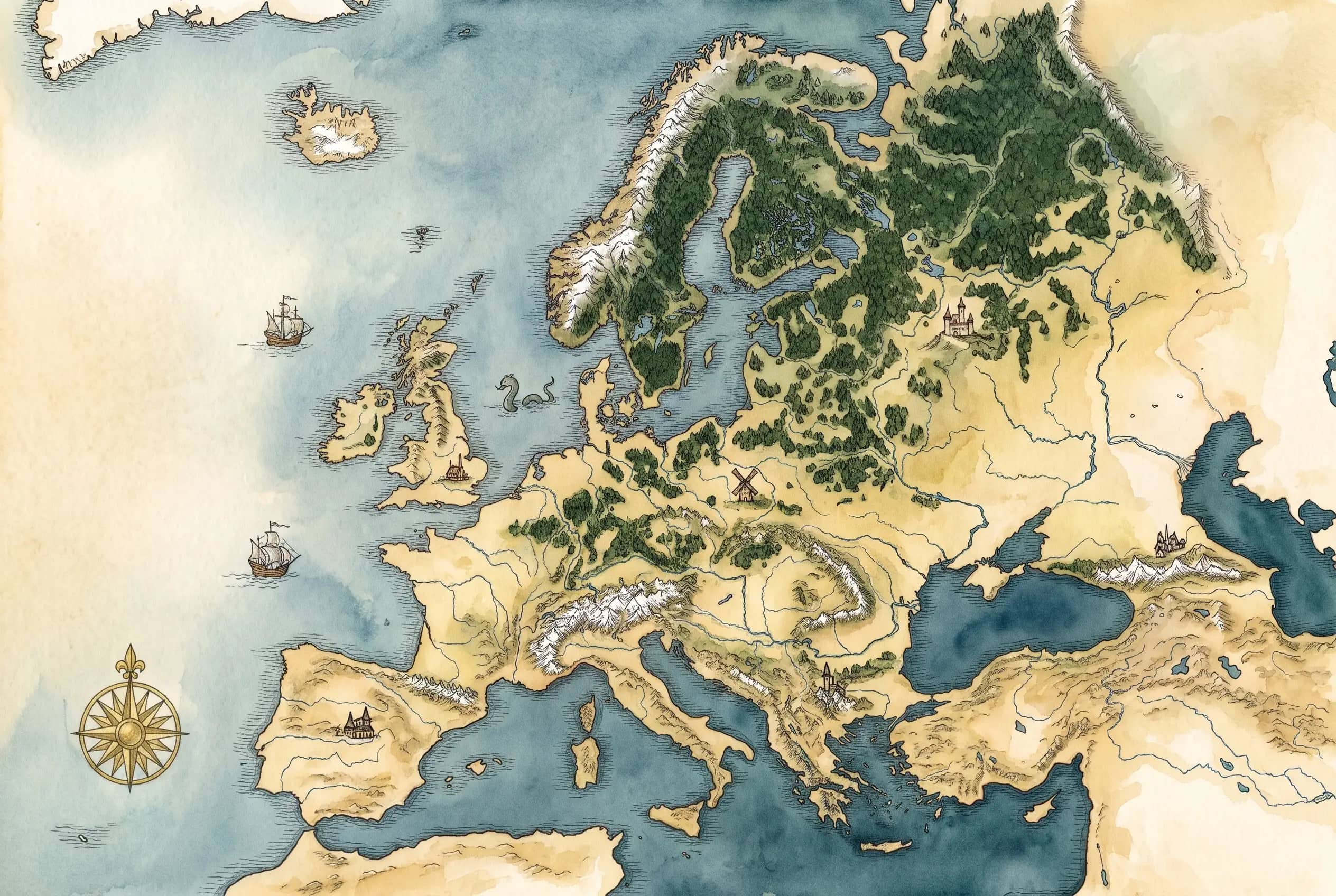
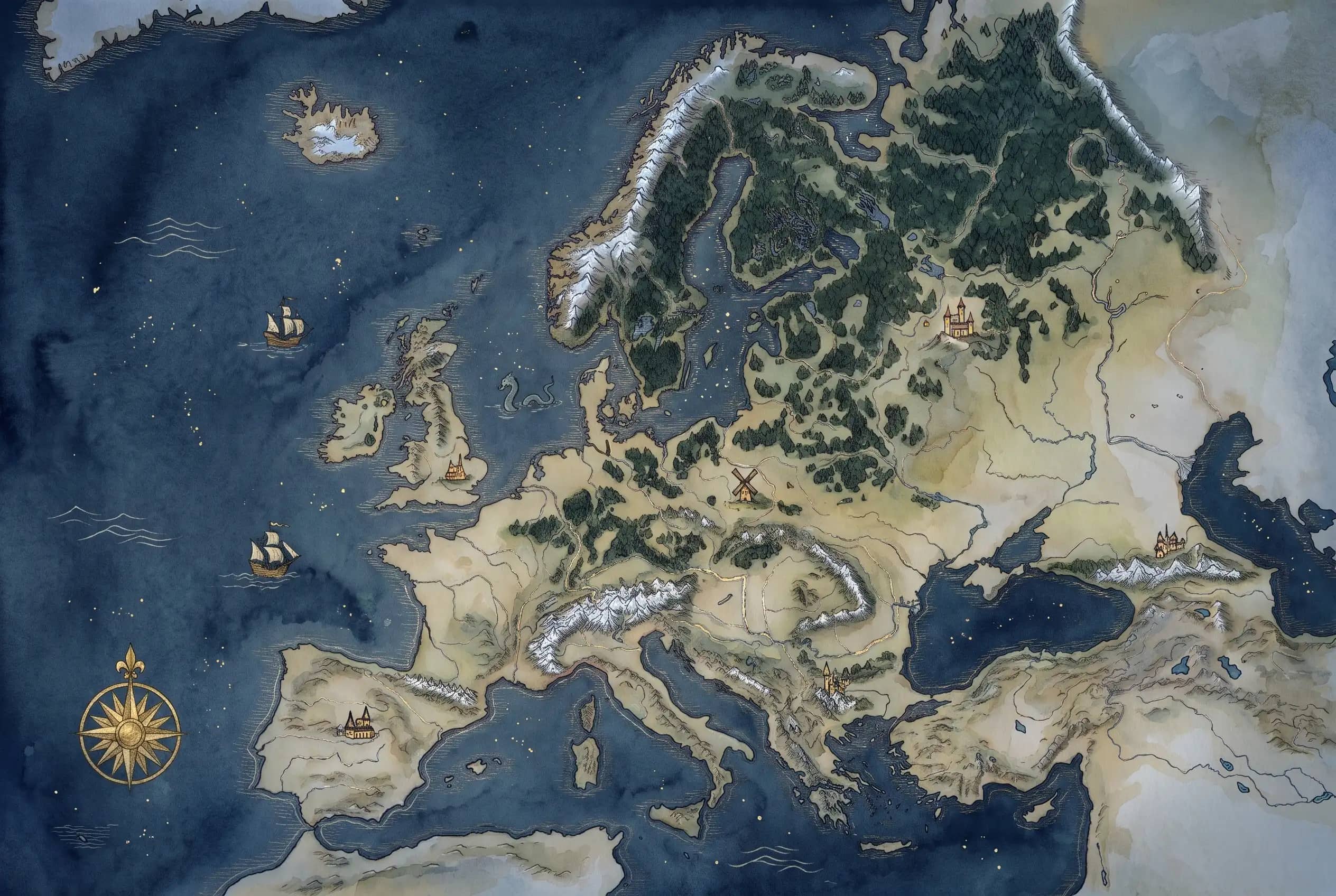
Odysseus and the Cyclops
14 min read ages 7 and up
30 tales
14 min read ages 7 and up
2 min read ages 4 and up
2 min read ages 4 and up
1 min read ages 3 and up
2 min read ages 5 and up
1 min read ages 3 and up
1 min read ages 4 and up
2 min read ages 4 and up
1 min read ages 4 and up
2 min read ages 3 and up
2 min read ages 3 and up
2 min read ages 4 and up
2 min read ages 5 and up
2 min read ages 5 and up
2 min read ages 4 and up
2 min read ages 4 and up
1 min read ages 4 and up
3 min read ages 4 and up

1 min read ages 4 and up
1 min read ages 5 and up
2 min read ages 3 and up
2 min read ages 4 and up
1 min read ages 4 and up
2 min read ages 4 and up
1 min read ages 4 and up
2 min read ages 4 and up
1 min read ages 4 and up
2 min read ages 3 and up

2 min read ages 4 and up
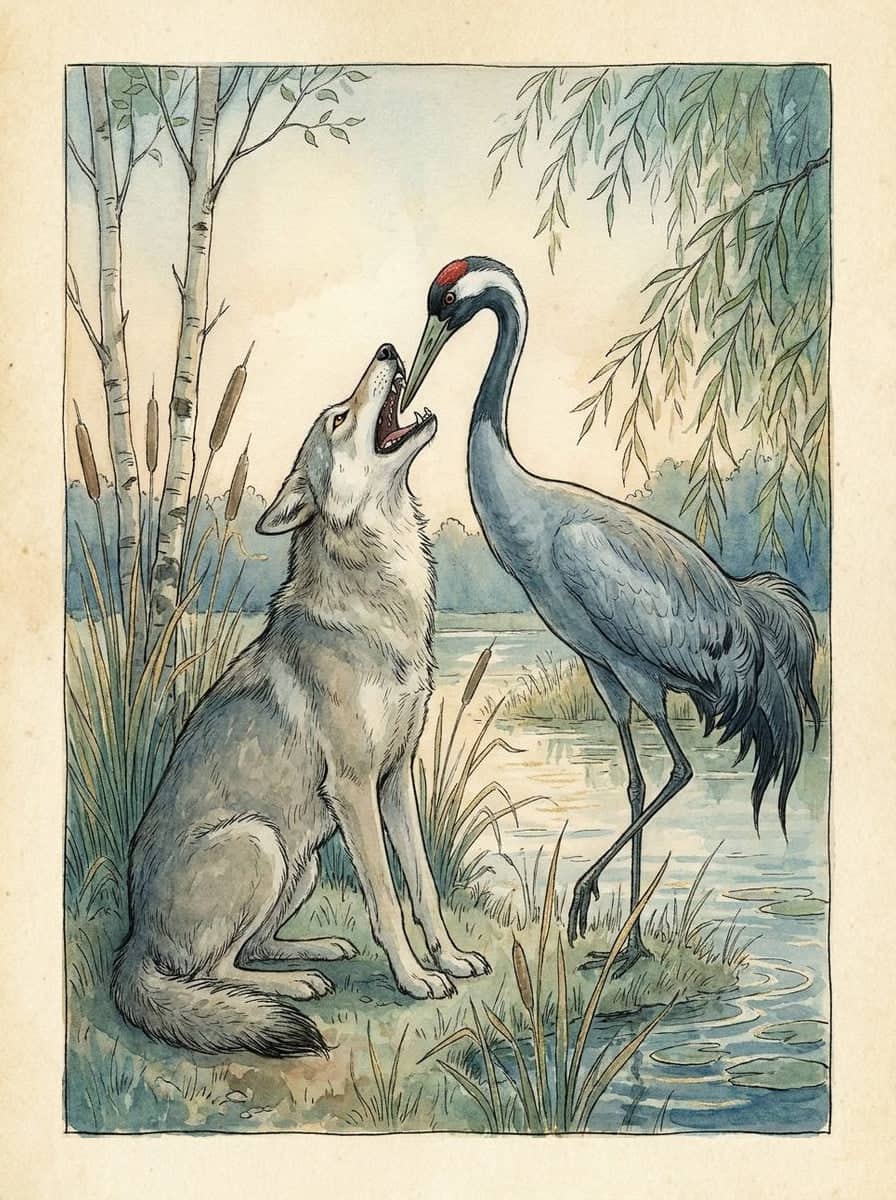
1 min read ages 4 and up
29 fables
According to Herodotus, Aesop lived on the island of Samos. His fables were passed on by word of mouth and written down again and again over the centuries, and our texts are based on later translations. Each one is short and ends on its moral.
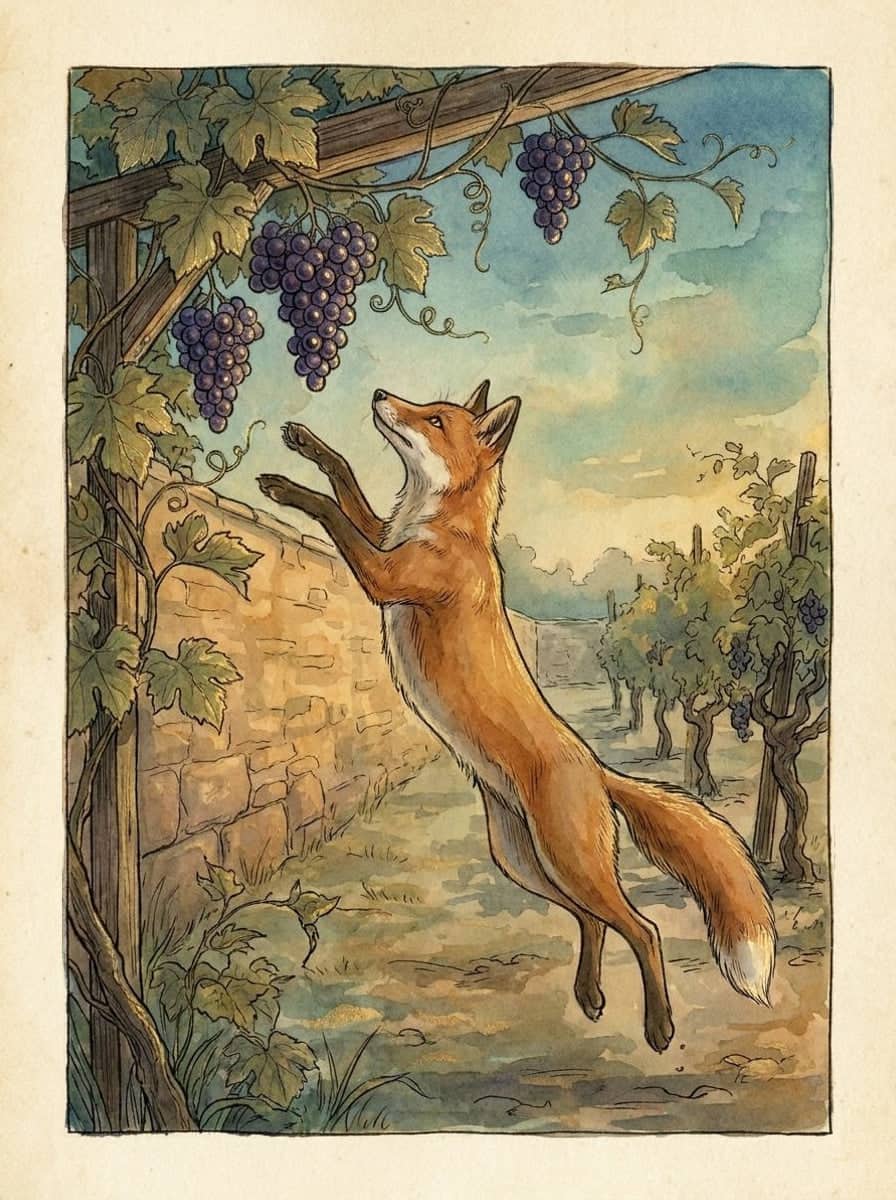
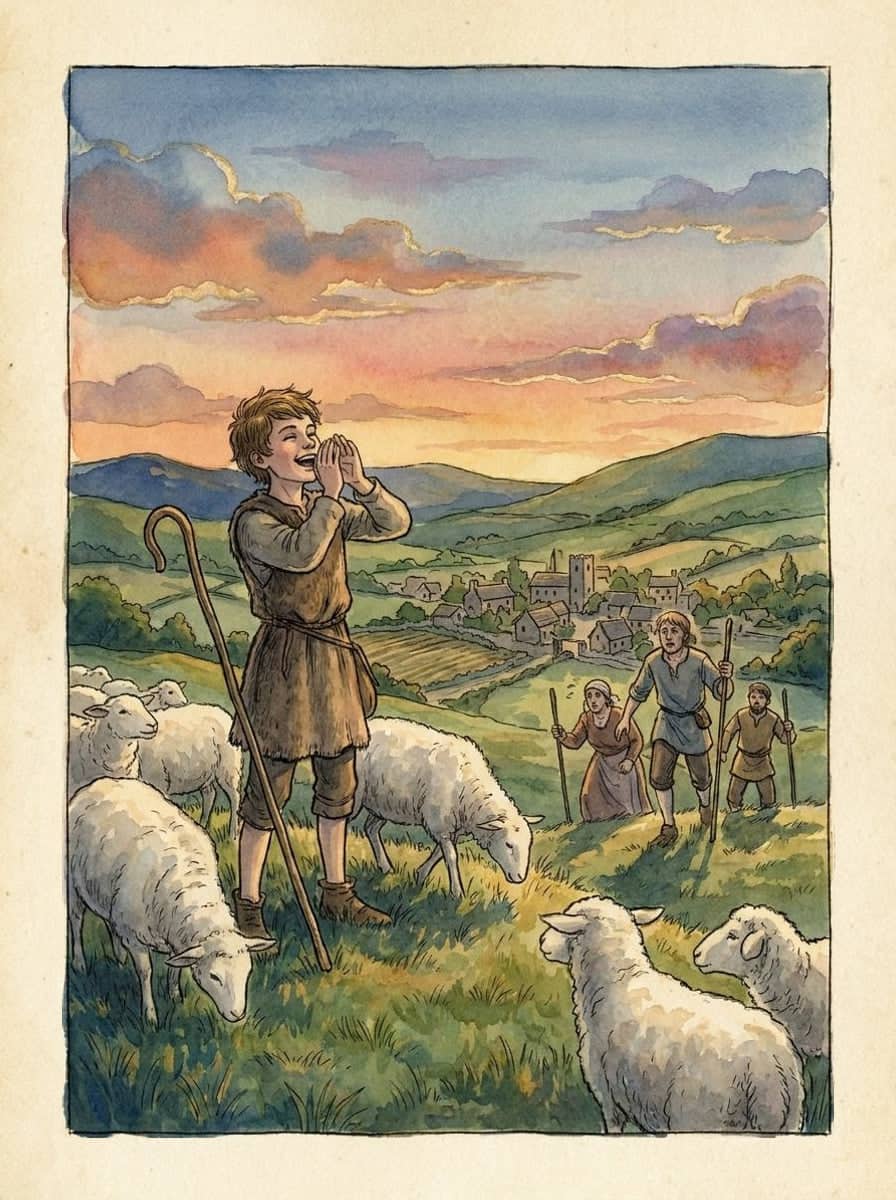
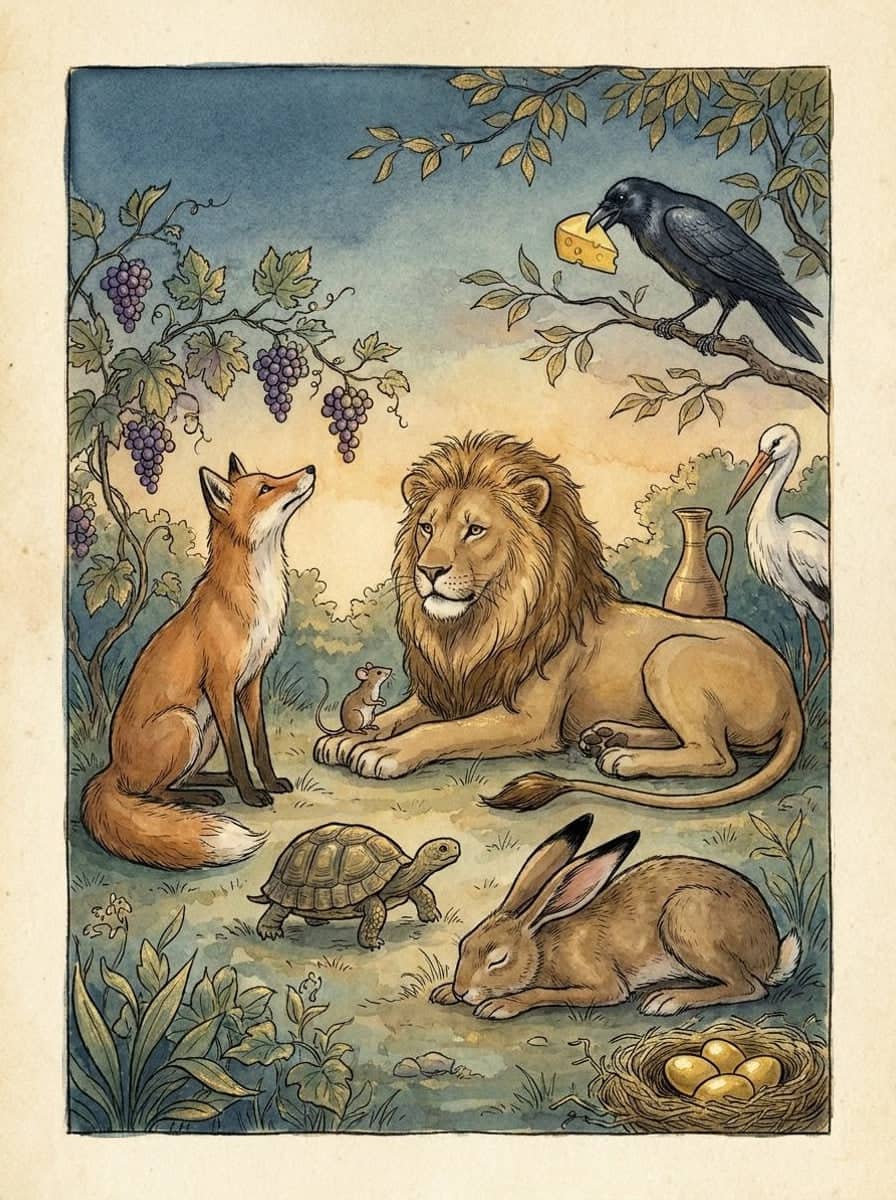
Many of them are familiar even to people who have never read one. In The Fox and the Grapes a fox who cannot reach the fruit decides it was sour anyway. The Boy Who Cried Wolf ends with the villagers staying at home on the one evening the wolf really comes.
Odysseus and the Cyclops comes from somewhere else entirely, Homer’s Odyssey. Chios is the island that has traditionally claimed Homer as its own. The episode in the giant’s cave is longer than any fable here and a good deal more frightening.
A fable takes only a few minutes, so it fits into the end of a busy evening, and its moral gives a child something to argue about. Nothing here is behind a paywall, and each fable is retold in plain modern English from a translation now in the public domain.